Key Takeaways from this post:
Saturation created an opening. Generic email is dead, but email itself is more powerful than ever for people willing to to the time to personalize it to senders.
Only 3–5% of your list is ready to buy now. The rest need warming over time. Your edge: show up human while everyone else may have quit.
Lead with specificity. The first 200 characters matter. Provide urgency along with one CTA per email.
Email + LinkedIn together. Email is owned; LinkedIn amplifies. Use LinkedIn to build the warm relationship first, then email gets through.
Consistency is key. Just because it’s harder to break through, it does not mean abandon the channel. It may mean rethinking your cold and warm email strategies and determining ways to personalize even more.
Email has a credibility problem. Everyone says it's dying. Everyone says the inbox is too crowded. And if you listen long enough, you'll hear the solution: try texting instead, or abandon email altogether.
But here's what I've learned from over eighteen years in EdTech marketing: email isn't dying. Generic one-size-fits all email is dying. And that distinction changes everything. It's the difference between a channel that's exhausted and one that's been abandoned by everyone willing to put in the work. For the people willing to do email differently, it's still one of the best channels designed to get your ideal customers to convert.
Why Generic Email Fails (and Email Itself Doesn't)
The noise is real. Nearly 393 billion emails are sent every day in 2026, and more than half of them are spam. Now over half of that spam is written by AI. It has never been easier to generate thousands of cold emails in minutes, all of them generic, all of them forgettable.
This is where a lot of people get it wrong. They look at all that noise and decide email just doesn't work the way it used to. And they're partly right. The cold demand-gen emails that worked a few years ago don't work anymore. But all that saturation has also created an opening for anyone willing to do the opposite.
Think about what a superintendent's inbox looks like right now. School and district leaders get hundreds of emails from vendors competing for their attention, and almost none of them feel personal. They can spot a templated email in a second, and they delete it just as fast. That's the opening. The few people who do make it personal have the inbox almost to themselves.
And once you've earned a spot in their inbox, don't rush them to a demo. Research from the Ehrenberg-Bass Institute shows that only about 5 percent of buyers are ready to buy at any given time. The rest need to be warmed up, engaged, and given a reason to trust you over time. That's why your demo request page is where so many deals go to die.
People are drowning in "Here's our product" emails. They're starving for "I thought of you because of X" emails. If you show up with something human that respects their time and provides real value, you'll stand out.
How to Reach Education Leaders (Without Being Salesy)
Standing out doesn't mean being pushy. It means being human.
The first 200 characters are everything. Gmail, Outlook, and Apple Mail now use AI to summarize your email before anyone opens it, and they pull from the first 150 to 200 characters of live text. That means real text, not a graphic or image, because the AI can't read what's inside an image. The formula that's working right now is action plus product plus deadline, and putting all three up top is lifting click-through rates by about 19%. For a school leader, it could sound like "Register your team for our October literacy workshop by Friday. We have one spot left for your district.”
Use bullets so the AI picks up your key points. AI summaries love bulleted content. When an email includes bullets, they get pulled into the summary 77% of the time in Gmail, 84% in Apple Mail, and 92% in Microsoft Copilot. It might not make the prettiest email, but the prettiest email isn't the one getting read anymore. Put your two or three most important points in bullets, and make sure they're live text.
Embrace your humanity; don't sound like a template. Education is full of people who care deeply about what they do. That's your edge. If you sound robotic and polished and like you sent the same email to 500 people, they'll delete it. If you sound like yourself, someone who noticed something specific about them and genuinely want to help them, there’s a higher chance they’ll open it.
One clear call to action per email. Don't ask them to book a demo, download a guide, and sign up for a webinar in the same message. One action. Make it easy to say yes to that one thing and perhaps give them multiple ways to do that one thing (click a button, click a link, or reply back to the email).
Timing matters, too. I can't tell you how many times I've seen a great conference conversation go nowhere because the follow-up came weeks later. By then, they've forgotten who you are, and your email gets lost with every other vendor's. Follow up within 24 hours, and connect with them on LinkedIn the moment you meet, while the conversation is still fresh. And here's the move that separates the top 20% from everyone else. Schedule the next meeting while you're still standing next to them. I know it sounds pushy, but it isn't. People say yes to this all the time because the friction is gone, and you walk away with a demo booked for next week.
Build your list intentionally, not at scale. A warm introduction from someone they trust beats a cold email every time. A business card from a conference you both attended beats a purchased list. An email address they willingly gave you beats one you scraped. Quality over quantity isn't just a nice principle, it's what actually converts.
Personalization is the whole game. You don't need expensive tools to do this. You need five minutes per prospect. Look them up on LinkedIn. Check if their district made the news recently. Look through their district’s strategic plan, goals, or school board notes. Notice something real and mention it. "I saw your district hired a new superintendent" opens doors. "We help with literacy improvement" closes them.
Building an Email + LinkedIn as One Ecosystem
Email is the one channel you own. Your email list belongs to you. LinkedIn helps you build an audience that you do not own and it surfaces up your content based on an ever-changing algorithm. Together, email and LinkedIn form a system that works harder than either one alone.
Email is owned; LinkedIn amplifies. Build your email list as your core asset. But use LinkedIn to extend your reach beyond your current list. Post about what you know. Connect with people authentically who engage with your content. When the time comes to reach out via email, they've already heard from you and know who you are.
LinkedIn gets you in the door, and email keeps you there. When you're connected with someone on LinkedIn, your messages land in their main LinkedIn inbox instead of getting filtered out. Over time, they start to recognize your name. So when that name shows up in their regular email inbox, it's not a stranger anymore. It's someone they already know, and that recognition makes them much more likely to open it.
Education leaders change jobs, and LinkedIn goes with them. They use their district email for work, and when they leave, that address goes inactive. Their LinkedIn account is tied to their personal email, so it follows them from role to role. That matters in education, where about one in six of the largest districts changed superintendents in the past year alone. If you've built a real connection on LinkedIn, you can keep the relationship going wherever they land next.
So what does staying connected actually look like? In education, it's consistent but not invasive. Send one meaningful email a month with an article, a tip, or an insight that speaks to their challenges, not your product roadmap. Add your LinkedIn to your email signature, and engage with their posts when they share something. You're not trying to convert them right away. You're trying to be the person they think of when the need actually comes up.
The Work Is in the Commitment
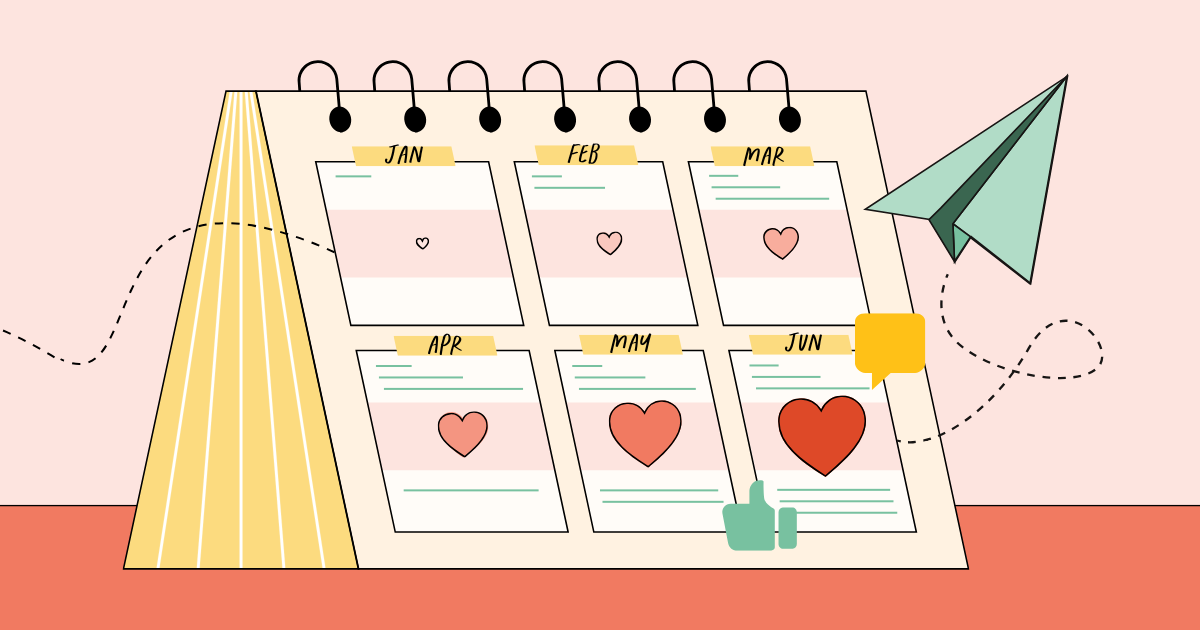
None of this is overly complicated. The hard part isn't the strategy; it's always the consistency. Making a commitment to show up consistently, rather than only pop in when you need something. Email works because it's a long game. You're not going to send one perfect email and close a deal. You're going to show up regularly, respect the person's time, and earn trust over months and years.
This is why I'm so bullish on email. A lot of people say email doesn't work anymore, but they're basing that on cold, generic demand-gen emails that push for a demo. I very rarely see education brands invest in email for the long term, sending emails that give more value than they ask for. That's exactly why doing it well stands out. What you do with that is up to you. The brands that treat email as a serious channel and make personalization non-negotiable are the ones building real relationships and winning deals.